%2Ffit-in%2F250x250%2Fguide_websites%2F180453%2Fimages%2F1782972137180logo.jpeg&w=1920&q=100)
/users/f54518cd-55eb-4b49-a40d-e3f48ab623b5/ratecard/image-2026-07-04t051809.605-mr5fuss4.png)
%2F300x300%2Fusers%2Ff54518cd-55eb-4b49-a40d-e3f48ab623b5%2Fratecard%2Fimage-2026-07-04t051809.605-mr5fuss4.png&w=256&q=75)
%2F300x300%2Fusers%2Ff54518cd-55eb-4b49-a40d-e3f48ab623b5%2Fimages%2Fmanistee-salmon-trout-charter-catch-2858.png&w=256&q=75)
%2F300x300%2Fusers%2Ff54518cd-55eb-4b49-a40d-e3f48ab623b5%2Fimages%2Fmanistee-salmon-fishing-success-2682.jpeg&w=256&q=75)
%2F300x300%2Fusers%2Ff54518cd-55eb-4b49-a40d-e3f48ab623b5%2Fimages%2Fsunset-fishing-manistee-michigan-2410.jpeg&w=256&q=75)
%2F300x300%2Fusers%2Ff54518cd-55eb-4b49-a40d-e3f48ab623b5%2Fimages%2Fdouble-hookup-manistee-fishing-2408.jpeg&w=256&q=75)
%2F300x300%2Fusers%2Ff54518cd-55eb-4b49-a40d-e3f48ab623b5%2Fimages%2Fmanistee-chinook-salmon-catch-2465.jpeg&w=256&q=75)
%2F300x300%2Fusers%2Ff54518cd-55eb-4b49-a40d-e3f48ab623b5%2Fimages%2Fchinook-salmon-manistee-michigan-fishing-2565.jpeg&w=256&q=75)
%2F300x300%2Fusers%2Ff54518cd-55eb-4b49-a40d-e3f48ab623b5%2Fimages%2Fmanistee-chinook-salmon-catch-2490.jpeg&w=256&q=75)
%2F300x300%2Fusers%2Ff54518cd-55eb-4b49-a40d-e3f48ab623b5%2Fimages%2Flake-trout-manistee-michigan-fishing-2422.jpeg&w=256&q=75)
%2F300x300%2Fusers%2Ff54518cd-55eb-4b49-a40d-e3f48ab623b5%2Fimages%2Fchinook-salmon-manistee-fishing-success-2727.jpeg&w=256&q=75)
%2F300x300%2Fusers%2Ff54518cd-55eb-4b49-a40d-e3f48ab623b5%2Fimages%2Fchinook-salmon-manistee-michigan-fishing-2785.jpeg&w=256&q=75)
Lake Michigan Tiara Charter Our Reel Heroes
 Lake Michigan
What you will be catching:
 Brown Trout
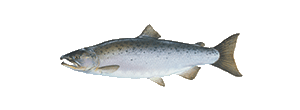 Coho Salmon
 Lake Trout
 Steelhead Trout
- Eight-hour Lake Michigan charter aboard 27' Tiara with Captain Brian
- Target salmon, trout, and steelhead using provided equipment and tackle
- Professional fish cleaning service included with fillets ready for transport
Trip Pricing and Availabilities:
8-Hour Lake Michigan Charter with Captain Brian
Captain Brian's 27' Tiara is built for one thing: putting you on fish. This isn't just another fishing trip – it's eight solid hours on Lake Michigan with a skipper who knows these waters like the back of his hand. You'll be trolling the productive zones where salmon and trout cruise, covering serious water while you sit back and let the lake work its magic. The boat's set up perfectly for trolling, and Brian's got all the gear dialed in so you can focus on the fun stuff. Whether you're looking to cross King Salmon off your bucket list or just want to spend quality time on the water, this charter delivers.
What to Expect on the Water
Your day starts early – that's when the fish are most active and the lake's usually at its calmest. Captain Brian meets you at the dock with everything ready to go: quality rods and reels spooled with fresh line, a tackle box full of proven lures, and downriggers set to perfection. The 27' Tiara handles Lake Michigan's moods beautifully, giving you a stable platform whether you're fighting a 20-pound King or just enjoying the ride. Eight hours means you're not rushed – there's time to work different depths, try various presentations, and really dial in what the fish want that day. The captain knows the seasonal patterns, so he'll adjust the game plan based on water temps, baitfish activity, and recent reports from other boats. You'll cover a lot of water, but it's relaxed trolling, not frantic casting. Perfect for families, groups of friends, or anyone who wants to experience Lake Michigan fishing without the pressure of a shorter trip.
Trolling Tactics & Gear
Trolling Lake Michigan isn't about luck – it's about precision. Captain Brian runs downriggers that keep your baits at exactly the right depth, whether that's 40 feet down in spring or 120 feet during summer's heat. The boat's equipped with fish finders and GPS, so he can mark productive spots and return to areas where fish are holding. You'll be pulling a spread of spoons, plugs, and cut bait depending on what species you're targeting. The beauty of trolling is that multiple lines are working at once, so there's always action brewing. When a rod starts dancing, that's your cue to grab it and start reeling. The downrigger releases automatically when a fish hits, so you're fighting the fish, not the weight. Brian handles the boat positioning and net work – your job is to enjoy the fight and keep steady pressure on whatever's on the other end. All tackle is included, from the heavy gear for Kings to the lighter setups for Coho and Steelhead. At day's end, your catch gets cleaned and packaged, ready for the grill or freezer.
Species You'll Want to Hook
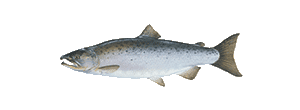
Coho Salmon are pure adrenaline on a fishing rod. These silver bullets average 8-12 pounds but fight like fish twice their size, launching themselves out of the water in spectacular aerial displays. Peak season runs from July through September when they're feeding heavily in preparation for their spawning run. Coho prefer the upper water column, usually found 20-60 feet down, making them perfect targets for this trolling setup. What makes them special isn't just the fight – their firm, pink meat is considered some of the best eating you'll find in the Great Lakes. Captain Brian knows exactly where to find schools of feeding Coho, and when you hook into one, get ready for a show.
Steelhead Trout are the marathon runners of Lake Michigan, built for speed and endurance. These chrome-bright fish typically range from 6-15 pounds and are famous for their long, bulldogging runs that test your drag system and your patience. Spring and fall are prime times, when Steelhead move closer to shore and become more aggressive. They're incredibly strong for their size, using their streamlined bodies to make powerful runs toward deep water. The key to landing Steelhead is patience – they don't give up easily. Their meat is excellent table fare, with a delicate flavor that's perfect grilled or smoked. These fish have earned a reputation as one of the Great Lakes' premier sport fish, and once you hook your first one, you'll understand why.
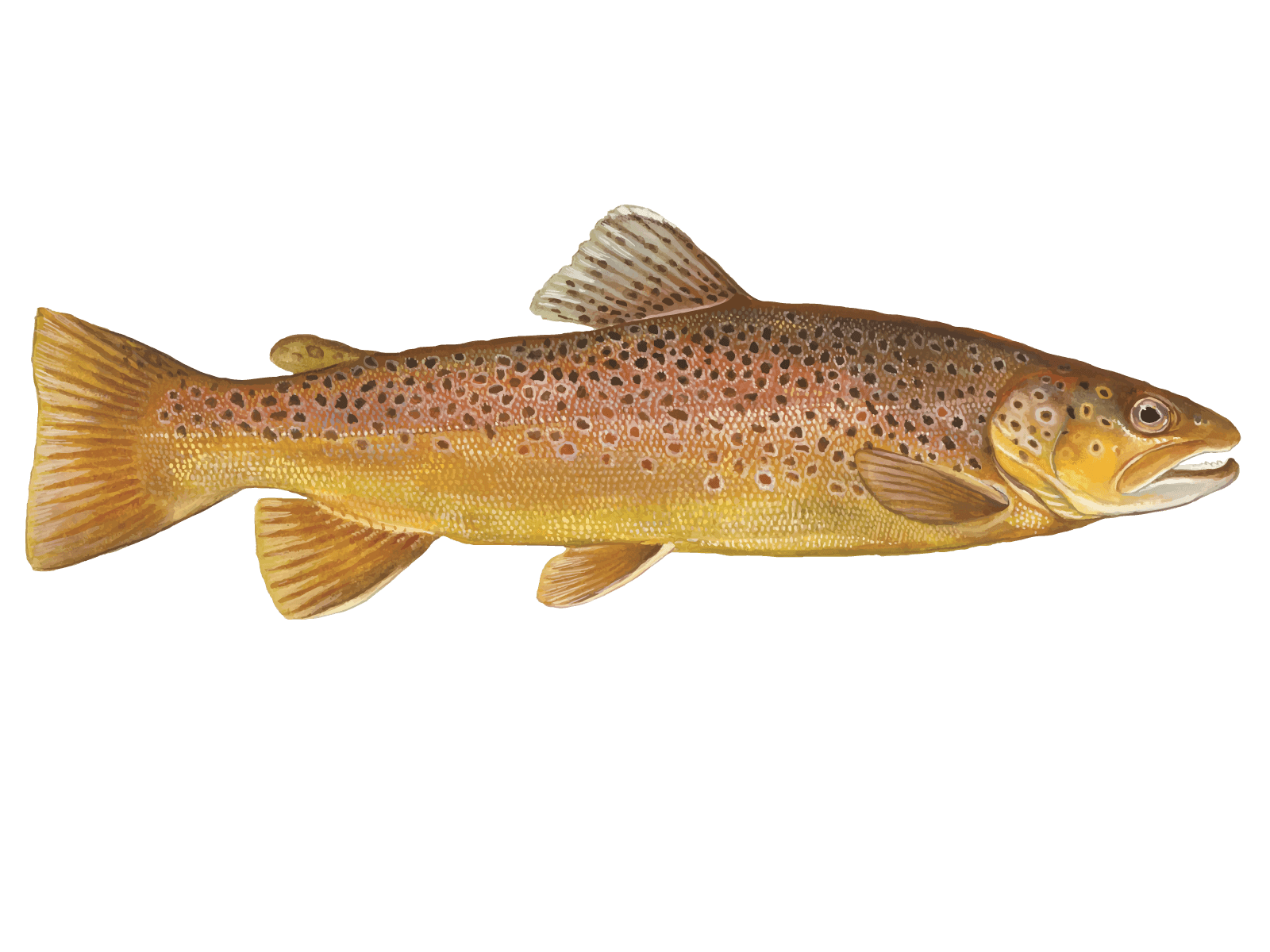
Brown Trout are the opportunistic predators that keep things interesting. These golden-sided beauties can range from scrappy 3-pounders to trophy fish pushing 15 pounds or more. They're active year-round but really turn on during spring and fall when baitfish are moving. Browns are smart – they've seen every lure in the book, which makes them challenging and rewarding to catch. They prefer slightly deeper water than Coho, often holding 40-80 feet down near structure or thermal breaks. When you hook a big Brown, expect a methodical fight with powerful head shakes and determined runs. Their meat is rich and flavorful, especially the larger fish that have been feeding on alewives and smelt.
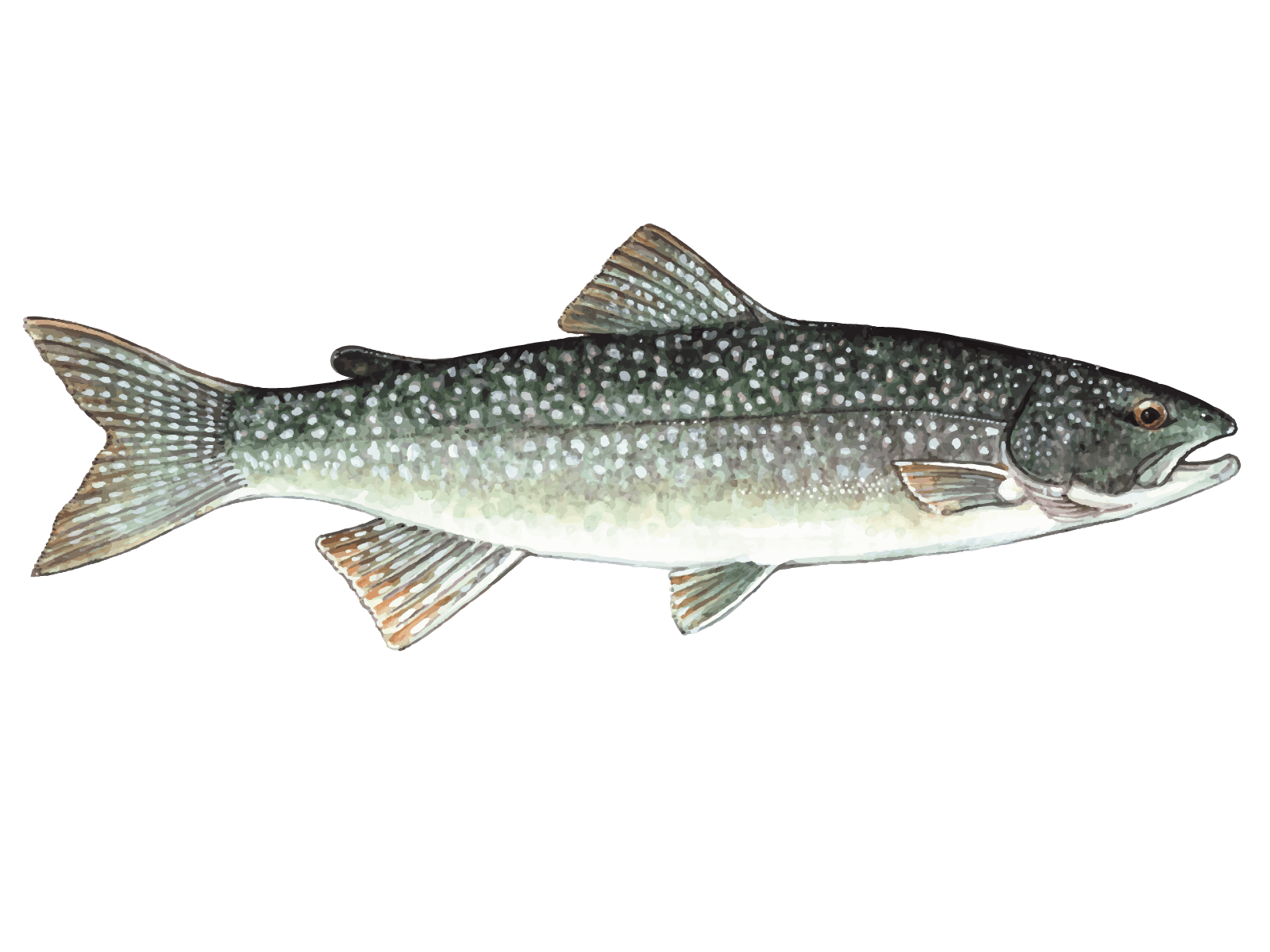
Lake Trout are the deep-water heavyweights that test your tackle and your arms. These native fish can live for decades and grow to impressive sizes – 15-25 pounders are common, with the occasional monster pushing 30 pounds or more. They inhabit the deepest, coldest parts of Lake Michigan, often found 80-150 feet down depending on the season. Lake Trout fight differently than salmon – it's a steady, powerful pull rather than explosive runs. They're incredibly strong and use their bulk to their advantage, making long runs toward the bottom. Spring and early summer are peak times when Lakers move into shallower water to feed. Their firm, white meat is excellent eating and freezes well, making them a favorite among anglers who want to stock up for winter fish fries.
Time to Book Your Spot
Eight hours with Captain Brian gives you the best shot at experiencing everything Lake Michigan has to offer. The extended time on the water means you're not watching
Learn more about the species
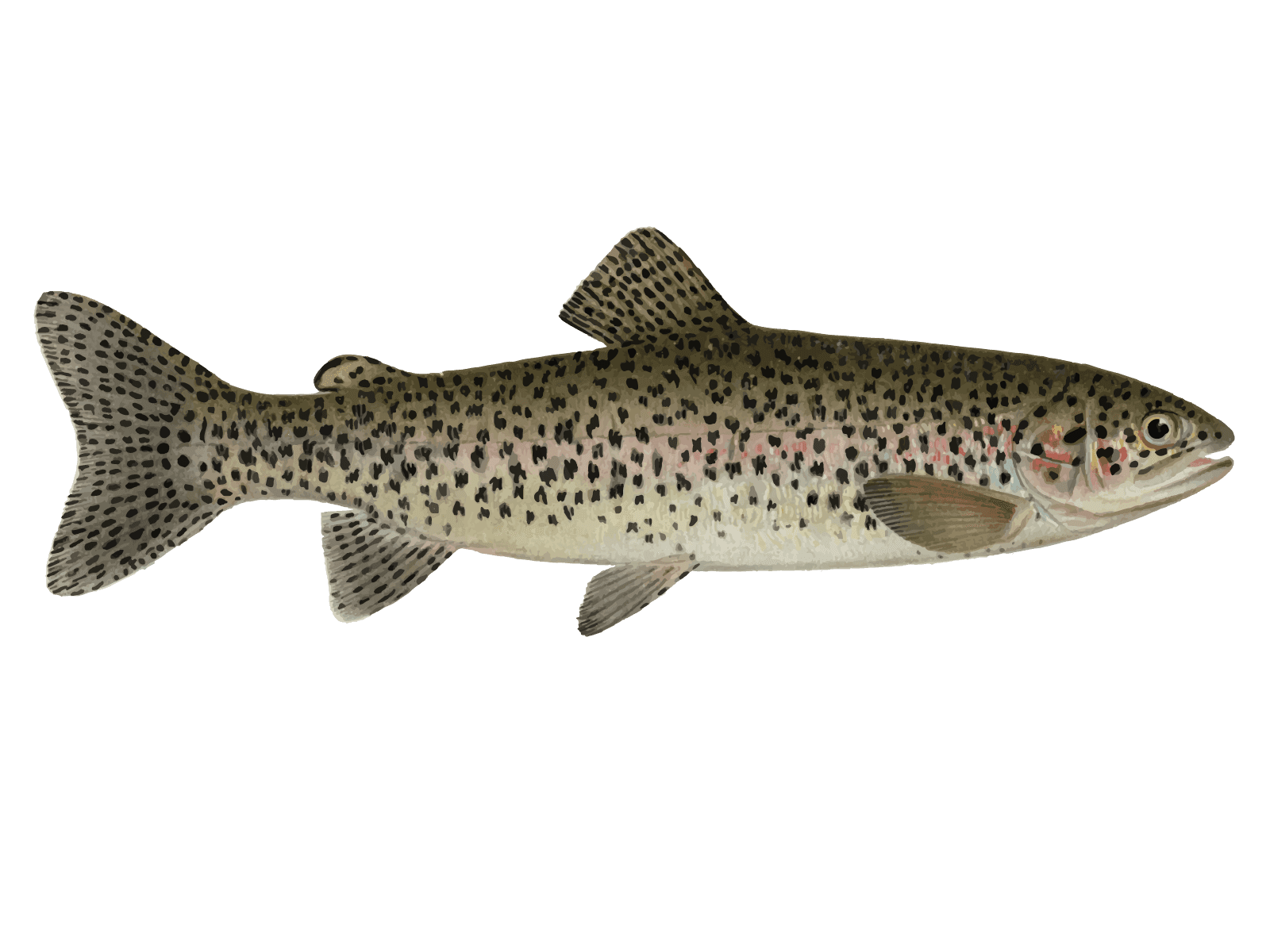
Brown Trout
Browns are the smart guys of the trout family - they're cautious, selective, and put up a solid fight once hooked. Lake Michigan browns typically range from 3-8 pounds, though we see some real tanks pushing double digits. These golden-brown fish with black spots love structure and deeper water, usually hanging around 60-100 feet down near drop-offs and ledges. Fall is prime time when they feed heavily before winter. What makes them special is their wariness - catching one feels earned. The meat is excellent, mild and flaky. They're active feeders at dawn and dusk, but also bite well on overcast days. My trick is to slow down your trolling speed when targeting browns. They don't like to chase fast-moving baits like salmon do.
Coho Salmon
Also called silver salmon, cohos are some of the most acrobatic fighters you'll find in Lake Michigan. These beauties typically run 8-12 pounds with that classic silver body and dark spots along the back. What makes them special is their jumping ability - they can leap 6 feet straight up when hooked. You'll find them throughout the water column during spring and fall, often following baitfish schools. The meat is bright orange-red and tastes fantastic. Spring through early summer gives you the best action when they're actively feeding. Here's a tip that works well for me - when trolling spoons, vary your speed every few minutes. Cohos love that erratic action and it often triggers strikes when they're being finicky.
Lake Trout
Lake trout are the giants of the deep - these grey-green fish with cream-colored spots are the largest char in the Great Lakes. We regularly see fish in the 15-25 pound range, with some real monsters pushing 30-plus. They live deep, usually 80-150 feet down in the coldest, most oxygenated water they can find. Summer is actually great for lakers since they stay deep where it's comfortable while other species scatter. What guests love is the steady, powerful fight - no jumping, just pure bulldogging strength. The meat is rich and flaky when properly prepared. Spring right after ice-out can be fantastic when they move shallower. Here's my trick: when jigging for lakers, let your spoon flutter down and hit bottom, then work it slow with long pauses.
Steelhead Trout
Steelhead are basically rainbow trout that decided to live large - these fish spend time in the big water and get silvery, strong, and mean. They average around 24 inches but can push past 30, and they fight like nothing else with long runs and aerial displays. In Lake Michigan, we find them anywhere from 40 to 120 feet deep, usually relating to temperature breaks and baitfish. Spring and fall are prime time when water temps are in their sweet spot. What guests love most is the fight - steelhead just don't quit. The meat is firm and mild, perfect for the grill. My go-to trick is running bright spoons higher in the water column on overcast days. They seem to move up and feed more aggressively when the sun isn't blazing.
About the 27' Tiara 1994
%2F%2Fusers%2Ff54518cd-55eb-4b49-a40d-e3f48ab623b5%2Fvehicle_picture%2Fboat-mr327vnf.jpeg&w=1920&q=75)
Vehicle Guest Capacity: 6
Manufacturer Name: Crusader
Maximum Cruising Speed: 25
Number of Engines: 2
Horsepower per Engine: 270