%2Ffit-in%2F250x250%2Fguide_websites%2F180453%2Fimages%2F1782972137180logo.jpeg&w=1920&q=100)
Chinook Salmon and Lake Trout Fishing in Manistee MI
Lake Michigan Fishing in Manistee - What to Expect
%2F%2Fusers%2Ff54518cd-55eb-4b49-a40d-e3f48ab623b5%2Fimages%2Fmanistee-salmon-trout-fishing-success-2550.jpeg&w=1920&q=75)
Fishing Charter by Captain Brian Standen in July
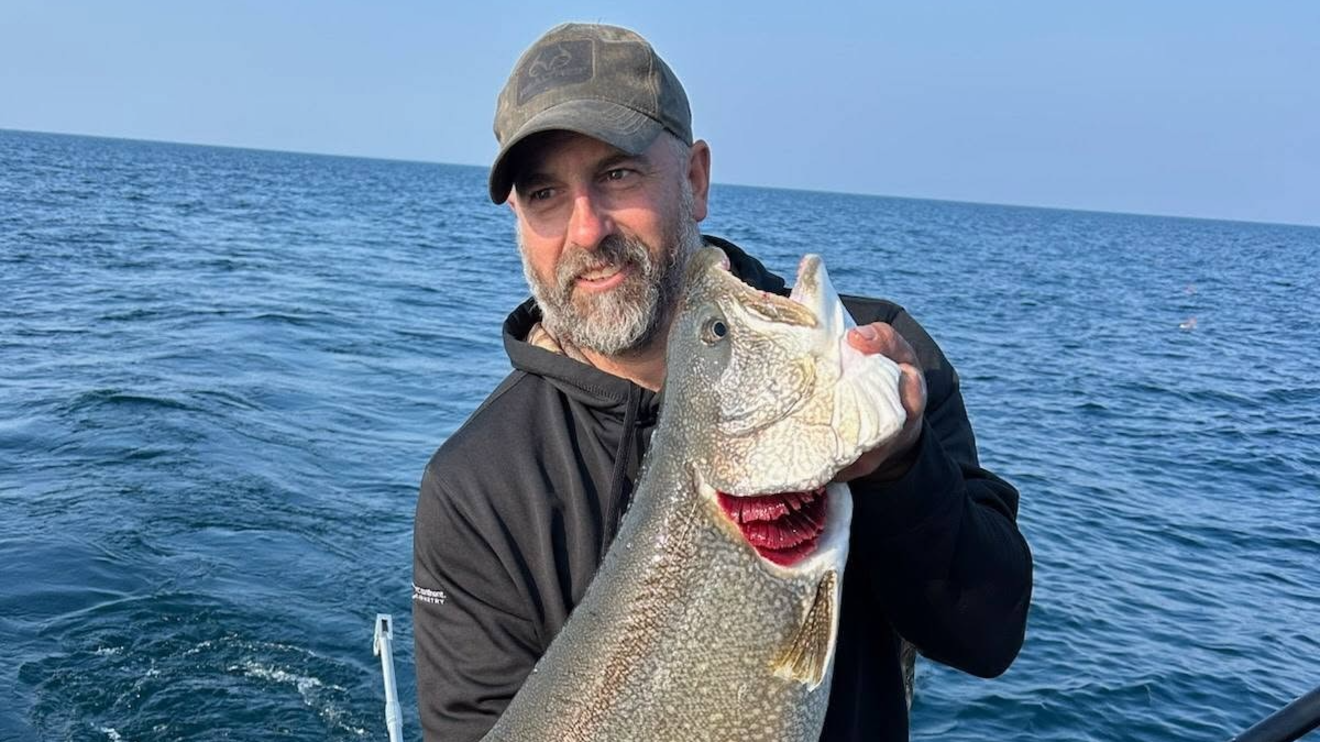
Meet your Captain Brian Standen
- Lake Michigan Salmon Fishing Charters


Summary
Experience an unforgettable fishing charter on Lake Michigan in Manistee, where Captain Brian Standen of Our Reel Heroes Charters specializes in pursuing trophy Chinook salmon and lake trout. This Wednesday in July adventure showcases the pristine waters and abundant cold-water species that make this region a premier fishing destination, combining expert guidance with the thrill of landing premium gamefish.
Fishing Charter with Captain Brian Standen - Rates & Booking
Captain Brian Standen of Our Reel Heroes Charters welcomes anglers aboard on Wednesday, July 2nd for an unforgettable Lake Michigan fishing experience. This fishing charter targets the premium species that Lake Michigan is known for: Chinook salmon and lake trout. The charter accommodates multiple guests and includes the expertise of a licensed, local guide who knows these waters intimately.
Our Reel Heroes Charters provides everything you need for a successful day on the water. All fishing gear is included, allowing you to focus on the experience of connecting with these powerful gamefish. Captain Standen's deep knowledge of Lake Michigan's structure, currents, and seasonal patterns ensures you're fishing the most productive areas throughout your charter. To reserve your spot or inquire about specific rates and package options, contact Our Reel Heroes Charters directly through their booking system.
Highlights of Your Lake Michigan Charter
This charter delivers the perfect blend of action and natural beauty. Lake Michigan's cold, deep waters create ideal habitat for trophy Chinook salmon and lake trout, making this fishery world-class. Anglers aboard this charter experienced the thrill of multiple successful hookups and the satisfaction of boating quality specimens. The Manistee area offers exceptional access to productive offshore structure where these species congregate.
What makes this charter special is the combination of expert guidance and the genuine possibility of landing trophy fish. Captain Standen's presentation techniques and understanding of fish behavior translate into more time fighting fish and less time waiting. Whether you're an experienced angler or new to charter fishing, the charter experience showcases why Lake Michigan remains one of the Midwest's premier fishing destinations.
Local Species Insights: Chinook Salmon and Lake Trout
Lake Michigan supports robust populations of both Chinook salmon and lake trout, two of the region's most sought-after gamefish. Chinook salmon are apex predators that grow to substantial sizes, with fish exceeding 30 pounds not uncommon in these waters. These powerful fish are built for speed and endurance, making them legendary for hard runs and acrobatic jumps. They navigate Lake Michigan's deep basins and offshore structures, feeding on smaller fish species and responding aggressively to properly presented baits and lures.
Lake trout prefer the cooler, deeper portions of Lake Michigan and represent one of the lake's most sustainable fisheries. These fish are characterized by their elegant spotted coloration and their preference for structure like drop-offs, reefs, and deep holes. Lake trout are bottom feeders that hunt with precision, using their lateral line system to detect vibrations in the water. Unlike salmon, which are known for their explosive strikes, lake trout often hit with a subtle indication that rewards attentive anglers.
The Manistee area sits perfectly positioned to access the depths and offshore structure where both species thrive during summer months. The cool waters that Lake Michigan maintains year-round create a stable environment for cold-water species, while the presence of abundant forage fish ensures these gamefish remain active and aggressive. Captain Standen's knowledge of how these two species interact with their environment and each other adds depth to every fishing decision made throughout your charter.
What makes fishing for these species particularly rewarding is the combination of challenge and reward. Each species requires different techniques, presentations, and patience. Chinook salmon demand power and precision, while lake trout reward subtlety and attention to detail. The opportunity to pursue both during a single charter means varied action and the chance to match different fishing approaches throughout your day on the water.
Plan Your Fishing Day
A typical charter day with Our Reel Heroes Charters begins early to maximize your time on Lake Michigan's prime fishing grounds. The charter is designed to accommodate multiple guests comfortably while maintaining the flexibility to adjust techniques and locations based on conditions and what the fish are doing. You'll depart from Manistee with all necessary fishing equipment provided, allowing you to step aboard ready to fish.
The charter day unfolds with Captain Standen reading the lake in real time, adjusting tactics and locations as conditions warrant. Morning trips often focus on specific structure and depth zones where Chinook salmon are holding, transitioning to areas favoring lake trout as the day progresses or based on activity levels. The combination of active fishing and expert guidance ensures you're always engaged, whether fighting fish or preparing for the next opportunity.
Safety and comfort are paramount aboard the charter. Our Reel Heroes Charters operates a well-maintained vessel equipped to handle Lake Michigan's conditions safely. The fishing platform provides adequate space for your group to fish effectively without crowding, and the layout allows easy movement between fishing positions. Whether you're a seasoned charter angler or experiencing this for the first time, the day is paced to maximize enjoyment while maintaining focus on putting fish in the boat.
Fishing in Lake Michigan: Chinook Salmon and Lake Trout
Chinook Salmon Overview
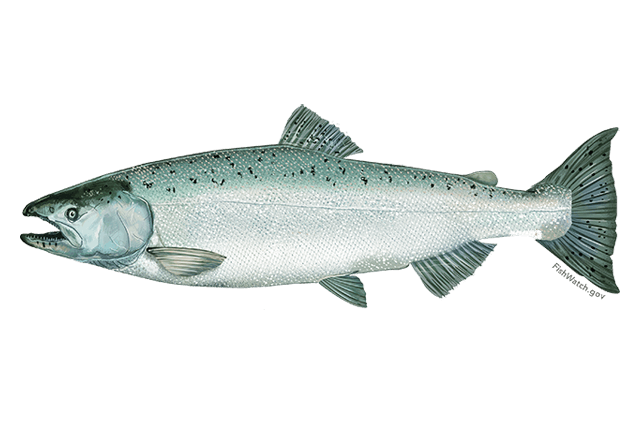
The Chinook Salmon (Oncorhynchus tshawytscha), commonly called King Salmon, is the largest and most prized member of the Salmonidae family within the order Salmoniformes. Known for their silver sides, vibrant blue-green backs, and distinctive black spots covering their heads, backs, tails, and fins—along with their characteristic black mouths and gums—these powerful fish are legendary among anglers and seafood enthusiasts alike. Found throughout the colder waters of the Pacific, from Alaska to Northern California and introduced populations in the Great Lakes, Chinook salmon represent one of the most exciting freshwater and saltwater angling experiences available. These fish are not just impressive fighters; they're also environmental indicators, leaving water bodies when habitat degradation occurs, making them invaluable to understanding ecosystem health in cities like Anchorage, Alaska.
Chinook Salmon Habitat and Distribution
Chinook salmon thrive in cold, clean waters and exhibit fascinating habitat preferences throughout their lifecycle. Young salmon spend their early years in freshwater streams and estuaries, often hiding among tree roots and other protective structures in cold, flowing water. As they mature, they migrate into the open ocean where nutrient-rich environments support their rapid growth and development. These fish are found naturally across the Pacific coast, ranging from Alaska and Western Canada south through Washington State, Oregon, Idaho, and Northern California. Beyond their native range, they've been successfully introduced to Japan, Russia, and the Great Lakes region of the United States. Key fishing destinations include Ship Creek in Anchorage, Alaska, and Lake Oahe in South Dakota, where populations support thriving recreational fisheries. Snow melt into lakes and streams creates ideal conditions for both young and spawning adults, making spring and early summer particularly productive seasons.
Chinook Salmon Size and Weight
Chinook salmon live up to their King Salmon nickname by growing to impressive sizes. Typically, these fish range from 30 to 59 inches in length and weigh between 10 to 50 pounds, with many specimens well into the trophy category. In their native habitats with abundant food sources and optimal conditions, individual fish can exceed 20 to 30 pounds routinely, with exceptional specimens pushing toward the upper weight ranges. The description notes that while typical fish measure 12 to 39 inches and weigh 7 to 15 pounds in many waters, the larger sizes documented here reflect the potential of well-fed populations in prime fishing grounds. This size variation depends heavily on habitat quality, food availability, and ocean conditions during their seawater phase, where they accumulate most of their bulk before returning to spawn.
Chinook Salmon Diet and Behavior
The dietary preferences of Chinook salmon change dramatically as they grow and migrate. Young salmon feed on plankton, aquatic insects, small fish, and invertebrates while inhabiting freshwater nurseries. Once they transition to ocean life, their diet expands significantly to include sand lance, pilchards, squid, herring, and various crustaceans—a nutritional abundance that drives their rapid growth and distinctive reddish-pink to orange meat coloration. Adult salmon demonstrate strong light sensitivity, typically remaining near the bottom of water columns during daylight hours and becoming more active during low-light periods. This behavior has significant implications for successful angling strategies. Males develop more intense coloring than females as they mature and prepare to spawn, and they also exhibit the distinctive hooked jaw and pronounced upper jaw that characterizes spawning males. Understanding these behavioral patterns is essential for timing your fishing efforts and selecting effective techniques.
Chinook Salmon Spawning or Seasonal Activity
Chinook salmon are anadromous fish, meaning they spend most of their adult lives in the ocean before returning to freshwater to reproduce. They reach sexual maturity between 2 to 7 years of age, at which point the spawning drive compels them to undertake remarkable migrations back to their natal streams. Females construct redds—gravelly nests built on the stream bottom—where they deposit their eggs. Depending on water temperature and spawning timing, incubation periods vary, with hatching typically occurring in early spring or late winter. Tragically, these fish die soon after spawning, completing their lifecycle in a single dramatic reproductive event. This semelparous (single-breeding) life history strategy means that successful populations depend entirely on maintaining healthy spawning habitat and ensuring that adequate numbers of fish survive their ocean phase to return and reproduce.
Chinook Salmon Techniques for Observation or Capture
Fly Fishing: Fly fishing for Chinook salmon is an exhilarating pursuit that requires understanding how light conditions influence fly selection and presentation. When targeting these fish, exact fly pattern matters less than you might think, but color can make a dramatic difference. On bright, sunny days, use vibrant color combinations like chartreuse and blue or pink and orange. During cloudy or dark conditions, shift toward blue and black or purple and black combinations. Effective fly choices include rhea tube intruders, bunny leeches, marabou tubes, shanked intruders, and minnow patterns. The critical technique is maintaining proper swing—avoid swinging too far and keep your fly swimming actively through the water column. Around Anchorage, Alaska, Ship Creek offers excellent fly-fishing opportunities where you can practice these techniques on eager fish in urban-accessible habitat.
Lake and Offshore Trolling: When pursuing Chinook salmon in lakes or offshore waters, down-rigging and trolling prove highly effective. This method allows you to cover water systematically and adjust depth based on where fish are holding. Use plugs, spoons, trolling flies, or live and dead bait depending on local regulations and fish preferences. The advantage of trolling is that it lets you search large areas and explore different depth zones, increasing your chances of locating actively feeding fish.
Still Fishing with Herring: For a more stationary approach, particularly in deep water, still fishing with herring is exceptionally productive. Position yourself in known deep-water holding areas and allow natural herring presentations to attract feeding fish. This patient technique works well when combined with weighted baits, as Chinook salmon's light sensitivity keeps them near the bottom during daylight hours. The best times for any technique are early morning and evening when light levels are low and fish are most active in shallower, more accessible waters.
Chinook Salmon Culinary or Utilization Notes
Chinook salmon stands among the finest culinary fish available, boasting reddish-pink to orange meat with excellent flavor and texture. The rich, fatty flesh makes it ideal for grilling, smoking, baking, and sautéing—preparation methods that highlight its natural oils and distinctive taste. Beyond the excellent eating experience, salmon provides outstanding nutritional benefits, including high-quality protein, omega-3 fatty acids, and various vitamins and minerals essential for human health. Wild-caught Chinook salmon represents a sustainable protein choice when sourced from well-managed fisheries, though you should always check local regulations and sustainability guidelines before harvest. The combination of hard-fighting sport qualities and exceptional table fare makes successfully landing and preparing Chinook salmon one of the most rewarding outdoor experiences available to anglers and food enthusiasts alike.
Chinook Salmon Frequently Asked Questions
Q: What is the best bait and lure for Chinook salmon?
A: Success depends on your fishing method and conditions. For fly fishing, bright colors like chartreuse and blue work well on sunny days, while blue and black combinations excel in low-light conditions. Effective flies include tube intruders, bunny leeches, and minnow patterns. For other methods, use plugs, spoons, live or dead herring, sand shrimp, and trolling flies. Weighted baits are essential because these light-sensitive fish spend most of their time near the bottom.
Q: Where can I find Chinook salmon near major fishing destinations?
A: Ship Creek in Anchorage, Alaska, is one of the top destinations for accessible Chinook salmon fishing, offering excellent opportunities right in an urban setting. Lake Oahe in South Dakota provides another world-class option. Throughout their native range—Alaska, Western Canada, Washington State, Oregon, Idaho, and Northern California—numerous rivers and coastal areas support healthy populations. The Pacific coast generally offers the most reliable fishing for this species.
Q: When is the best time to catch Chinook salmon?
A: Early morning and evening fishing produces the best results, as these light-sensitive fish are most active during low-light periods. Spring and summer, when snow melt increases water flow and creates ideal spawning conditions, bring fish into rivers and streams. Seasonal timing varies by location, so checking local fishing reports for your specific destination ensures you arrive during peak activity periods.
Q: Is Chinook salmon good to eat?
A: Absolutely. Chinook salmon is considered excellent eating, featuring reddish-pink to orange meat with rich flavor and fatty texture that makes it ideal for virtually any cooking method. The nutritional profile is outstanding, with high-quality protein and abundant omega-3 fatty acids. Wild-caught fish from well-managed fisheries represent a sustainable, delicious protein source.
Q: How large do Chinook salmon typically grow?
A: Chinook salmon earn their King Salmon nickname by growing to impressive sizes—typically ranging from 30 to 59 inches and weighing 10 to 50 pounds. Many specimens routinely exceed 20 to 30 pounds in productive waters. Size depends heavily on habitat quality and food availability, with ocean-phase fish accumulating most of their bulk before returning to spawn.
Q: What do Chinook salmon eat, and how does this affect fishing strategy?
A: Young salmon feed on plankton, insects, and small invertebrates in freshwater. Adult ocean-dwelling fish consume sand lance, herring, pilchards, squid, and crustaceans—a diet that produces their distinctive orange-pink meat. Understanding these preferences helps inform bait and lure selection. Their light sensitivity means they feed actively during early morning and evening when light levels are low, concentrating near the bottom during bright daylight hours.
Lake Trout Overview
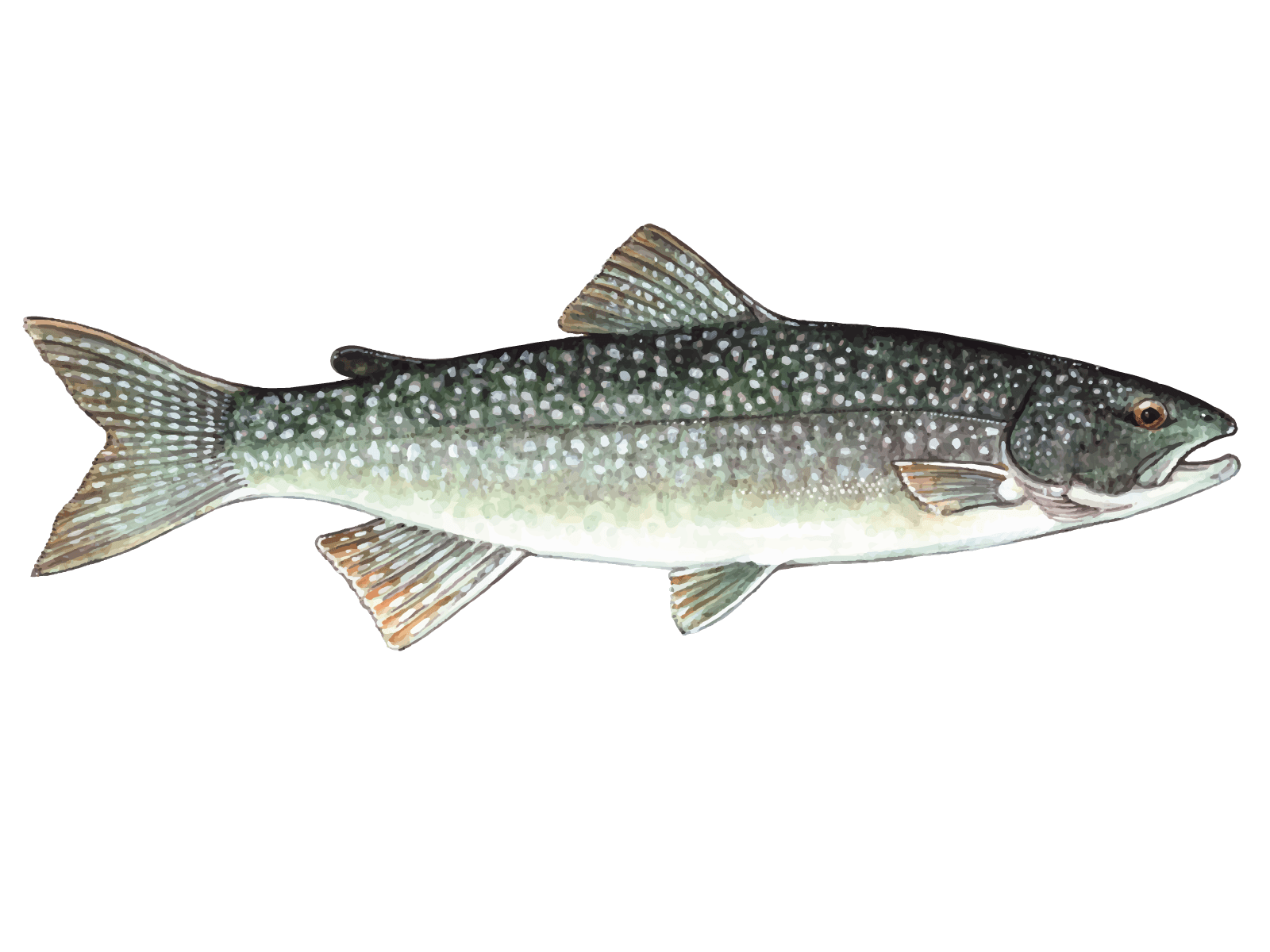
The Lake Trout (Salvelinus namaycush) is the largest member of the char family within the Salmonidae family and Salmoniformes order. These remarkable cold-water fish are distinguished by their grey to green coloring, lighter belly, and striking yellow to cream-colored markings across their body and fins. Lake trout are legendary among anglers for their challenging pursuit in deep, pristine waters and are the only major native game fish to inhabit the deep, cold waters of oligotrophic lakes in northern regions. What makes these fish particularly fascinating is their slow growth rate, late maturation, and notably low reproductive potential compared to other popular game fish species—qualities that make sustainable fishing practices especially important.
Lake Trout Habitat and Distribution
Lake trout are true specialists of cold-water environments and depend critically on high levels of oxygenation to thrive. These fish have a relatively narrow geographic distribution compared to other trout species, though their range is expanding through human introduction. Naturally, they're found throughout the northern reaches of North America, including the Great Lakes region, across Canada, parts of Alaska, and to a lesser extent the northeastern United States. In recent decades, lake trout have been artificially stocked in Europe—particularly in Scandinavian countries like Sweden—as well as in New Zealand, South America, and parts of Asia. Within their native lakes, these fish typically suspend themselves in the middle of the basin at considerable depths, where water temperatures and oxygen levels suit their demanding requirements. During summer months, lake trout in the southern portions of their range retreat to even deeper water where cooler temperatures persist.
Lake Trout Size and Weight
Lake trout are impressive fish and live up to their reputation as the largest char species. Typical catches range from 15 to 40 pounds, with average lengths falling between 24 and 36 inches. Anglers pursuing these deep-water dwellers should know that truly exceptional specimens do exist—the world record for lake trout caught on rod and reel was landed at Great Bear Lake in the Northwest Territories of Canada and weighed an astounding 72 pounds with a length of 52 inches. However, fish in the 25 to 59-inch range with weights between 5 and 15 pounds represent the more commonly encountered sizes for most recreational anglers.
Lake Trout Diet and Behavior
Lake trout are carnivorous predators that feed primarily on smaller fish species and aquatic organisms available in their deep-water environments. These fish are known to be light-sensitive and actively avoid bright conditions, making their feeding behavior most pronounced during overcast days, dawn, dusk, and nighttime hours. Understanding this preference is crucial for successful angling, as lake trout generally feed more frequently when light levels are low. Their behavior is largely driven by water temperature and oxygen availability—factors that dictate where they position themselves throughout the day and across seasons. Interestingly, lake trout can hybridize with brook trout to create a sterile hybrid species called splake, which fisheries managers stock in lakes across North America to provide additional sport fishing opportunities.
Lake Trout Spawning and Seasonal Activity
Spring represents one of the most productive times for targeting lake trout, particularly immediately after ice-out when water temperatures are at their coldest. During this period, fish move to relatively shallower waters compared to their typical deep summer and fall positions, making them more accessible to anglers. As water temperatures warm throughout spring and into summer, lake trout gradually migrate deeper to find the cool, oxygen-rich water layers they require for survival. Fall fishing can also be excellent as cooling water temperatures again draw fish toward shallower zones. Understanding these seasonal movements is essential for planning a successful lake trout expedition, as the same lake can require completely different fishing strategies depending on the time of year.
Lake Trout Techniques for Observation or Capture
Jigging Method: Jigging is the preferred and most effective technique for lake trout due to their deep-water habitat. Employ jigging lures like the Rapala Jigging Rap or lures that imitate wounded baitfish, as these closely mimic the natural prey these fish hunt in the depths. Jig heads fitted with soft plastic paddle tail swimbaits, skirted jigs, and bladed jigging spoons are all excellent choices that produce consistent results. The key is maintaining vertical contact with the lake bottom and working your lure with subtle, controlled movements that trigger strikes from suspended fish.
Trolling with Crankbaits: When targeting lake trout in deeper zones or when they're positioned higher in the water column, trolling with quality crankbaits is highly effective. This method allows you to cover more water and reach the precise depths where fish are holding. Crankbaits can be trolled along deep structure, drop-offs, and basin edges to locate active fish. This technique works particularly well in spring when fish are more distributed and less confined to extreme depths.
Spoon Fishing: Don't overlook traditional spoons when pursuing lake trout. These classic lures remain remarkably effective and can be used both while jigging vertically and while trolling. Spoons are particularly valuable when you're searching for fish across different depth zones, as they're simple to deploy and retrieve while covering water efficiently. Around lakes in northern Canada and the Great Lakes region, local guides often recommend starting with spoons early in the season to establish where fish are positioned.
Lake Trout Culinary and Utilization Notes
Lake trout have earned a reputation as good eating fish with firm, flavorful flesh that appeals to many anglers. The meat has a mild to moderately rich flavor profile and holds up well to various cooking methods including baking, grilling, smoking, and pan-frying. These fish are nutritionally valuable, providing excellent sources of protein and omega-3 fatty acids beneficial for cardiovascular health. However, some regional guidelines recommend limiting consumption of larger specimens due to potential bioaccumulation of environmental contaminants in deep-water ecosystems. Always check local fishing regulations and consumption advisories before harvesting lake trout, as these guidelines vary by lake and region and are designed to ensure both personal safety and sustainable fish populations.
Lake Trout Frequently Asked Questions
Q: What is the best bait or lure for catching lake trout?
A: Jigging is the most effective method, using lures like Rapala Jigging Raps, soft plastic swimbaits on jig heads, bladed jigging spoons, or traditional spoons. These lures best mimic the baitfish and small prey that lake trout hunt in deep water. The specific choice depends on water depth, season, and current fish positioning.
Q: Where can I find lake trout in Canada and the Great Lakes?
A: Lake trout thrive in deep, cold-water lakes throughout Canada, the Great Lakes region, and northern portions of the United States. The Great Lakes themselves—particularly Lakes Michigan, Huron, and Superior—offer excellent populations. In Canada, Great Bear Lake in the Northwest Territories is world-renowned for trophy lake trout fishing. Always consult local fishing reports and regulations for specific lake recommendations in your target region.
Q: When is the best time to fish for lake trout throughout the year?
A: Spring immediately after ice-out is often considered the prime season, as fish move to shallower water in the colder temperatures. However, fall can also be excellent as water cools again. Summer fishing requires targeting deep structures and basin zones where cooler water persists. Timing within the day is equally important—fish during overcast conditions or low-light hours when lake trout feed most actively.
Q: Are lake trout safe and good to eat?
A: Yes, lake trout are considered good eating fish with firm, flavorful meat that works well in many preparations. However, it's important to check local consumption advisories, as some deep-water lakes may have recommendations limiting harvest or consumption, particularly for larger specimens that may accumulate environmental contaminants. Always follow regional guidelines before harvesting.
Q: How deep do lake trout typically stay, and does this affect fishing strategy?
A: Lake trout are deepwater specialists that typically suspend themselves in mid-basin zones and at considerable depths, especially during summer when shallower water warms. This deep habitat is why jigging vertically is the most productive technique. In spring and fall, they move shallower, making them more accessible. Depth finders and sonar are invaluable tools for identifying where fish are positioned at any given time.
Q: Can lake trout be caught in smaller lakes, or do they require massive bodies of water?
A: While lake trout are typically associated with large, deep, cold-water lakes like those in the Great Lakes and Canadian shield regions, they can exist in appropriately sized lakes that meet their specific requirements: sufficient depth, cold water year-round, and adequate oxygen levels. Not all lakes can support lake trout populations, so it's essential to research your target water body before planning a fishing trip. Local fisheries departments can provide detailed information about which lakes in your area support viable lake trout populations.